





Children Are Not Tiny Adults

One of the first things pediatricians learn is that kids are not simply "little adults." This is as true for skincare as it is for anything else. Their skin is physiologically different.
The pediatric skin barrier is still developing and it has a higher surface-area-to-volume ratio than an adult's. In the absence of actual disease, and unlike adult skin, it is healthy and not in need of repair.
Ingredients like retinols, exfoliating acids (AHAs/BHAs), and high-concentration serums are designed to correct adult issues like photoaging, fine lines, and hyperpigmentation—conditions children do not have.
On young, healthy skin, these ingredients are not "preventative." They are, at best, useless and, at worst, potentially harmful. We also have a significant lack of safety and long-term data for these active ingredients on developing skin.
Beyond the physical risk, this trend is psychologically concerning. It conditions children to manage social anxiety with product rituals, reinforcing maladaptive habit loops. This isn't self-care; it's a social contagion, amplified and monetized by an algorithmic feedback loop, a TikTok dream scenario.
This is a consumer trend, profit driven and not one driven by any real clinical need.So, what does a child actually need for skin health? Not much.
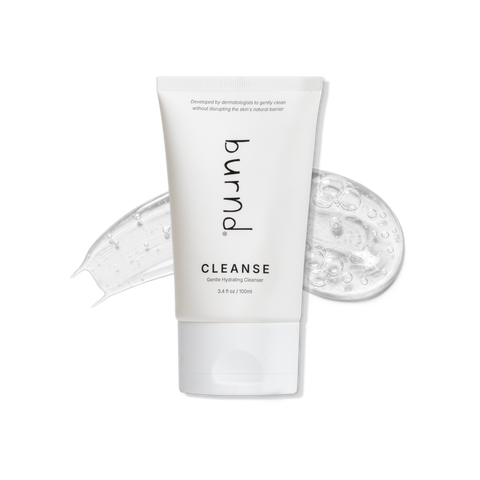
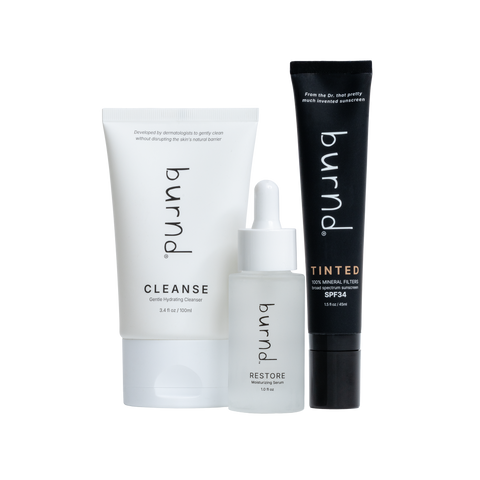
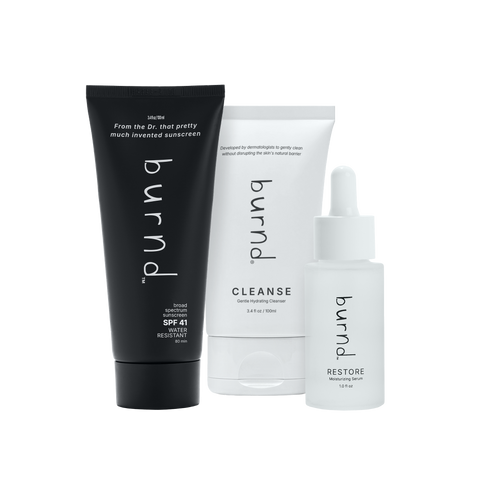
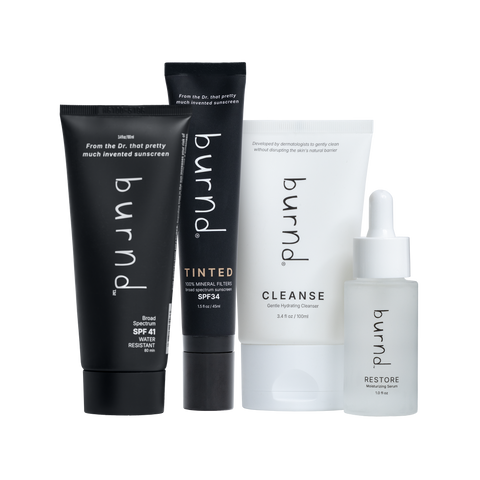
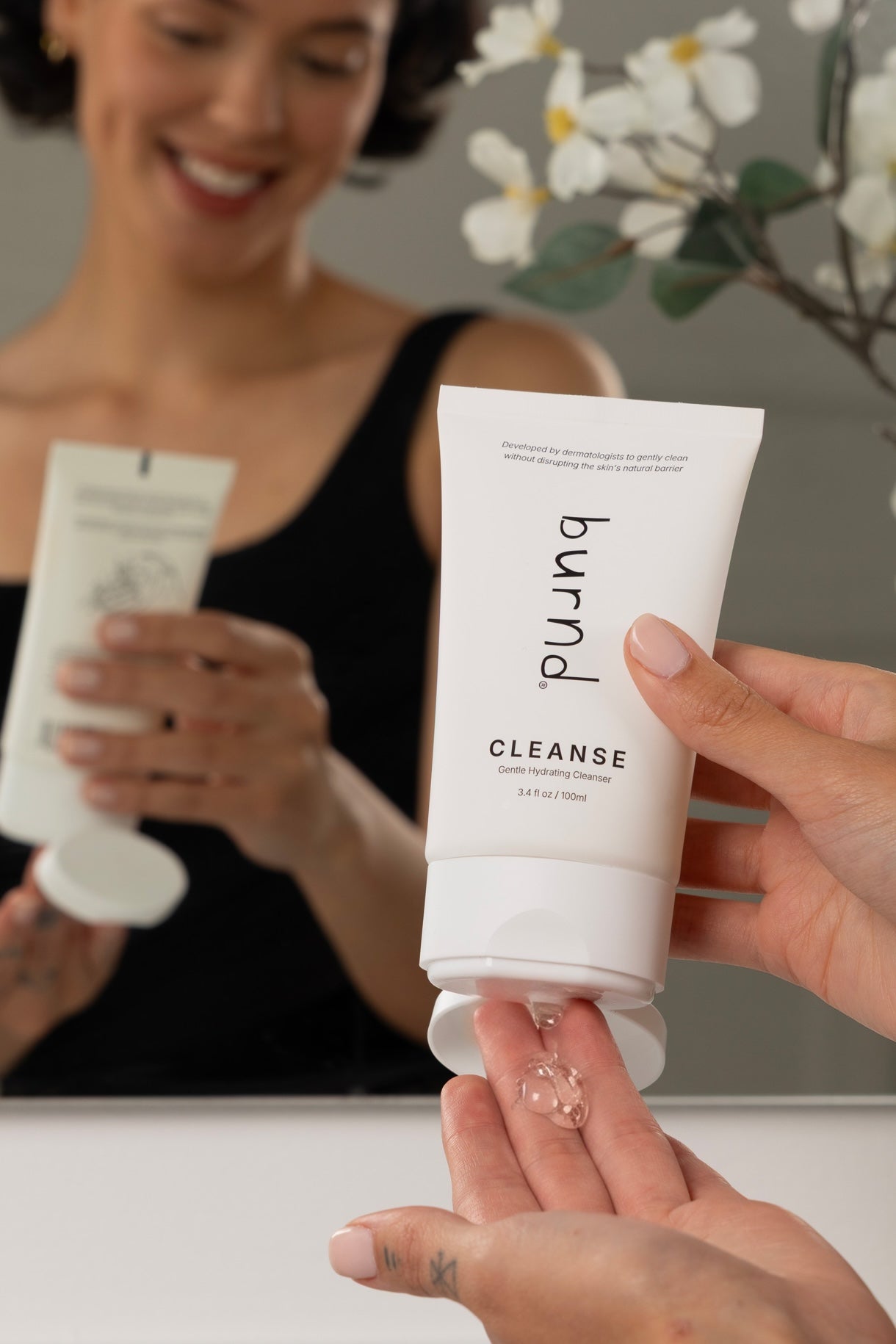
1. Gentle Cleanser: To wash away dirt and grime.
2. Simple Moisturizer: If their skin is dry or its clinically beneficial.
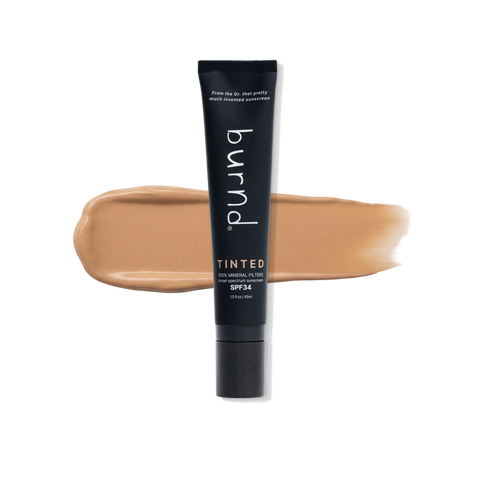
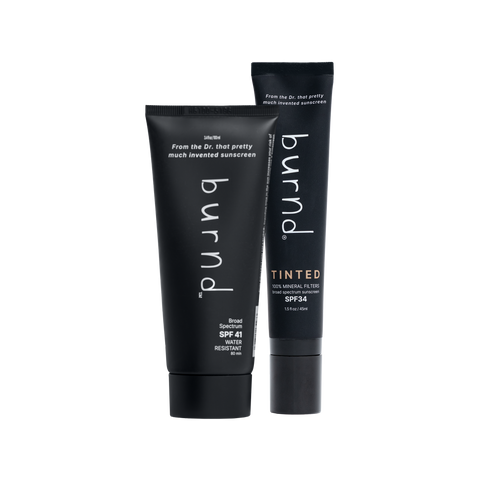
3. Sunscreen: This, unlike most other things, is truly preventative. It is the single most important and effective skin health product any person, including a child, can use.
We, as clinicians, scientists, and responsible brands, should push back against the application of needless products to children and the establishment of yet another counterproductive socially competitive behavior. Let's focus on protecting kids and their skin, establishing simple healthy habits and not future addictions.
Read more

Learn about the science and truth behind sunscreen marketing messages.

Sunlight is essential - it shapes our biology, sets our clocks, and lifts our moods. However, sun exposure is a double-edged sword: beneficial yet notorious for its lifelong impact on skin.

Want to learn more from us?
By signing up, you agree with our privacy policy.