




Sunscreen: Organic and Inorganic Ingredients
MYTH: Chemical sunscreens, known more formally as organic sunscreens, are dangerous hormone disruptors.
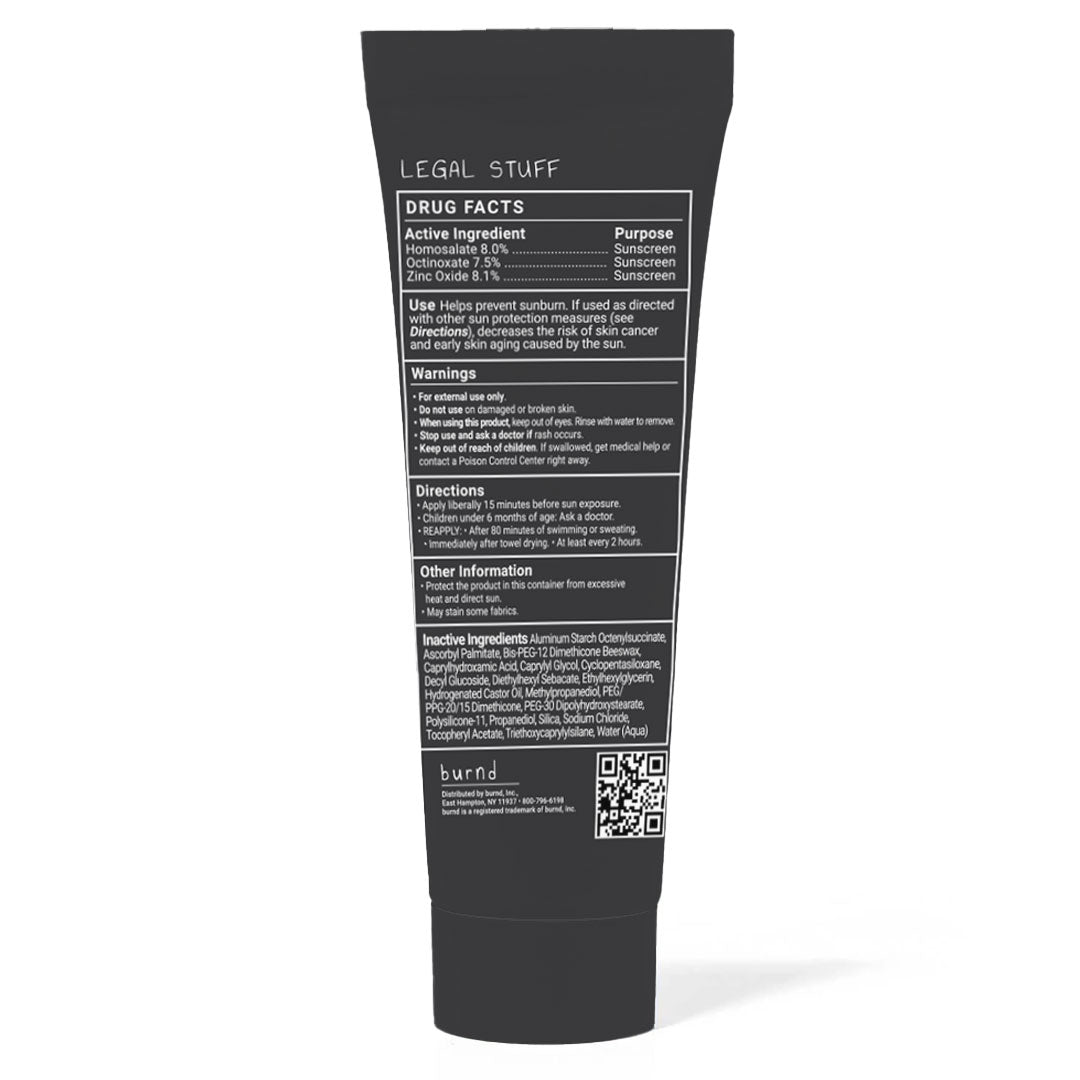
FACT: This information comes from in-vitro (test tube) experiments where cells of various types are exposed to extremely high amounts of the sunscreens, in doses hundreds of times higher than real-world levels. At real-world use levels, sunscreens have been shown to not meaningfully impact our endocrine system. There is one exception to this and it's the benzophenones/oxybenzone which can cause measurable changes at only ten times that of real world exposure. For this reason, among others, burnd does not use oxybenzone and, in fact, no reputable sunscreen manufacturer does.
MYTH: Only zinc oxide and titanium dioxide sunscreens are truly safe.
FACT: Zinc oxide and titanium dioxide are excellent at blocking UV, but to get high SPF protection from zinc and/or titanium alone, you’d need a thick, white, usually greasy formula—hardly something you’d want to wear every day. The reality is, sunscreen only works if you actually use it, and most people won’t stick with a product that feels and looks unpleasant.
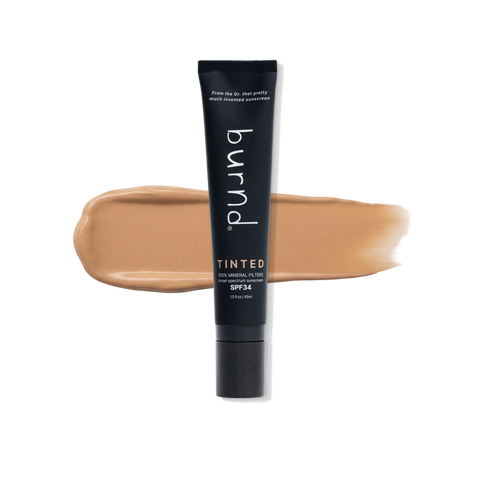
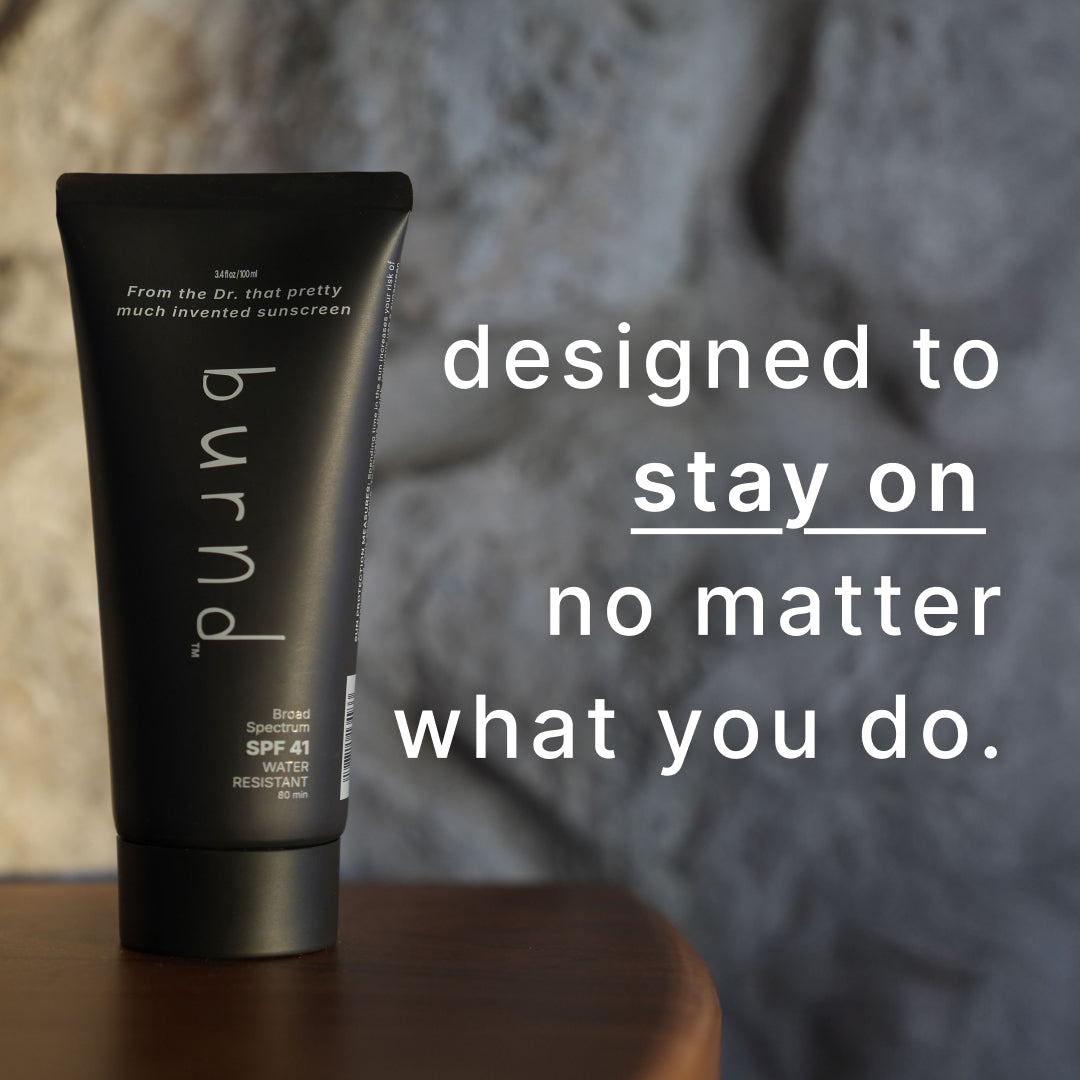
The organic sunscreens like homosalate and octinoxate have been used for decades and extensively studied. They are safe and incredibly effective. And, for both the inorganic and organic sunscreens, the formulation has a big impact on safety. Burnd knows this and we formulate our products to keep the sunscreens where they belong, on top of your skin and out of the water.
BOTTOM LINE: The safest sunscreen is that both works and gets used! Burnd products are both elegant and effective so – you’re gonna love using them.

Want to learn more from us?
By signing up, you agree with our privacy policy.