





The User Experience Factor
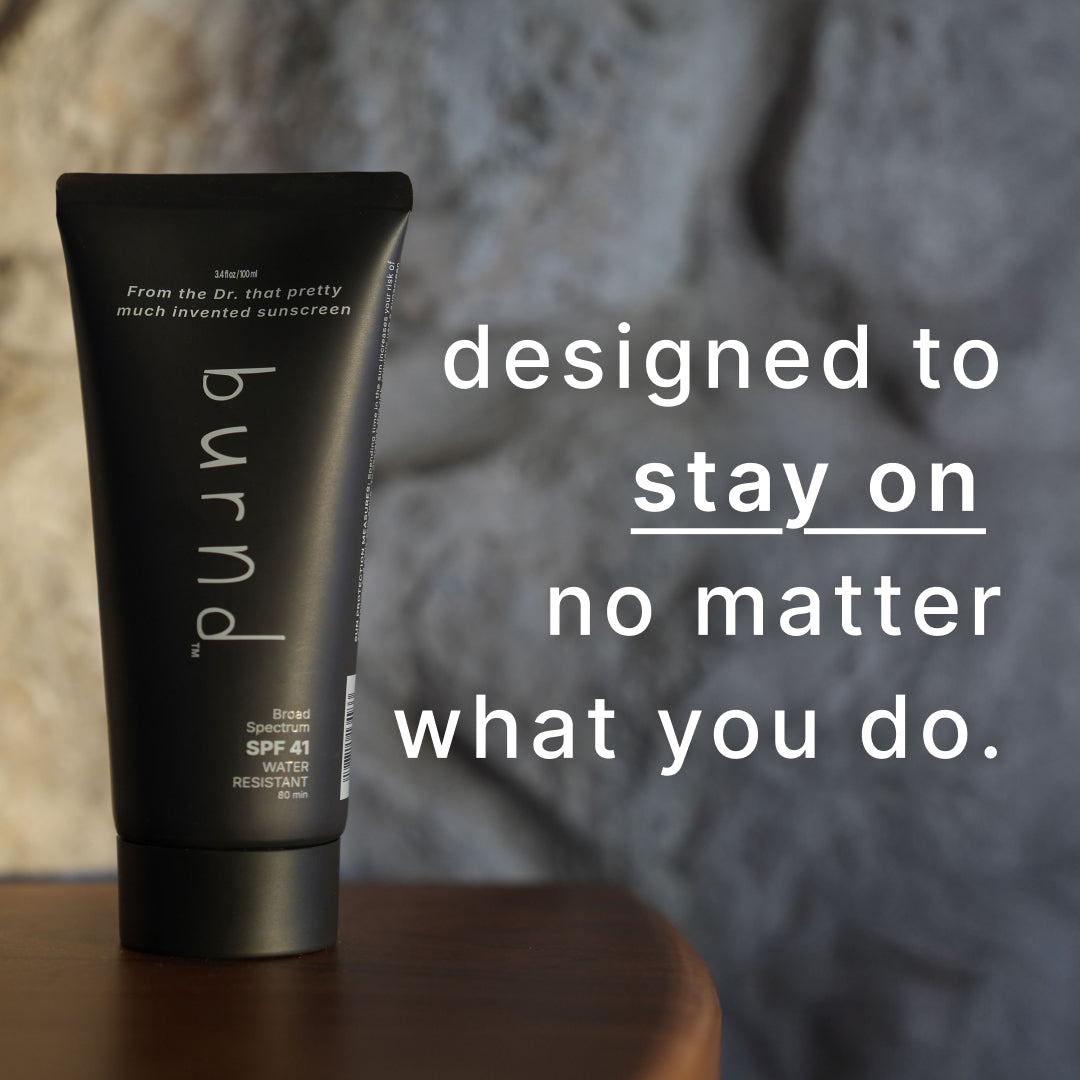
Formulators face a significant challenge: highly water-resistant formulations often have sensorial properties that discourage regular use. Traditional water-resistant sunscreens can feel sticky, greasy, or heavy—precisely the qualities that make consumers reluctant to use them and to reapply. Modern formulation science increasingly focuses on reducing these negative sensory attributes while maintaining water resistance. These generally involve strategies that use sophisticated formulation techniques along with cutting edge ingredients.
Water resistance is measured by determining how well a product maintains its SPF after water immersion for specific periods and despite all of the approaches mentioned above, it's important to understand that no sunscreen is truly "waterproof"—all eventually wash off. Having said that, there are differences between brands, even ones that make similar label claims like Water Resistant for 80 minutes. Remember, in the US, 80 minutes is the maximum time a brand can claim, even if their product lasts longer.
The best water-resistant formulations balance several competing factors:
The next time you apply a "water-resistant" sunscreen, remember that it’s the sophisticated blend of polymers, emollients, and other excipients creating an invisible shield that helps keep the active ingredients in place. Understanding this distinction helps clarify why some sunscreens perform better in water than others—it's more about the supporting cast of ingredients, not the minerals and other active ingredients themselves. And remember that the best sunscreen is always the one you'll use consistently, which means finding a water-resistant formula that not only works but feels so good that you'll want to apply it every day.


Want to learn more from us?
By signing up, you agree with our privacy policy.