




What Is Broad Spectrum Sunscreen?
What is a “broad spectrum” sunscreen? Remember SPF is all about burning, but the sun does a lot of other stuff to you. Some of it is really beneficial but some is not, like damaging the skin’s structure and causing skin cancer. Its complicated but most of the bad stuff is caused by a combination of ultraviolet A (UVA) and ultraviolet B (UVB) rays, something not really measured when testing just for SPF. “Broad Spectrum” on the label means that the sunscreen passed the test that proves it blocks both UVA and UVB rays. So, If you care about skin cancer and minimizing visible sun damage like wrinkles and blotchy skin, always use a broad spectrum sunscreen. Truth is, this is old news and you'd have to look pretty hard to find a sunscreen that is not broad spectrum these days. The difference is in how each brand gets there.
Burnd does all of the above by using zinc oxide, not the thick white stuff lifeguards used to put on their noses, but a revolutionary type that is transparent, but still blocks a ton of both UVA and UVB. In fact, one of burnd’s founders actually invented it years ago. Now to get a high SPF using only zinc oxide, even the really special stuff, the formulation has to be kind of thick and usually pretty oily. So, burnd uses a combination of zinc oxide with some of the more traditional organic filters and the result is the best of both worlds. It’s a great feeling, high performance, broad-spectrum, water-resistant sunscreen based on zinc oxide and the right amount of other sunscreens.
Read more

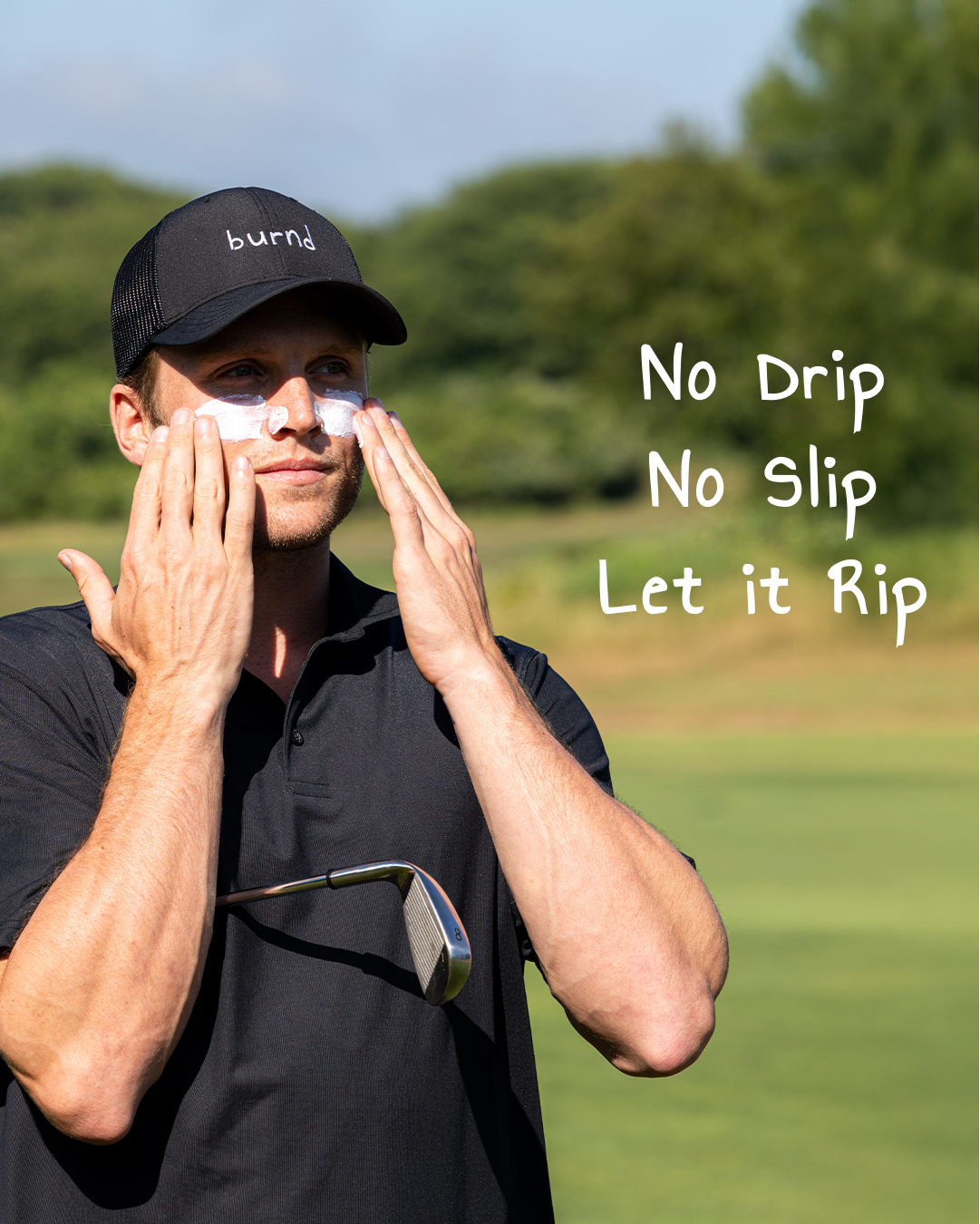
Burnd SPF 41 is a broad spectrum, high performance sunscreen which will not run into your eyes and is super water resistant.
Burnd's Q&A Series | Episode 2 | What if a company invents a brand new skin care ingredient? Are foods and supplements regulated the same way as cosmetics? How are topical insect repellents reg...