


What Is The UV Index

The amount of UV radiation hitting the earths surface is impacted by a lot of things like time of year, latitude, cloud cover and so forth. If you know what you are doing you can make a pretty good guess as to what this is based on local conditions. For the rest of us, having a number is really useful. Back in the early 90’s the Canadians came up with just such a system called the UV index. It built on some previous fundamental science from Brian Diffey one of the world’s leading sun protection scientists and his co-author. A.F. McKinlay.
The UV index takes into account variables like cloud cover, altitude, the ozone layer and others. A low UV Index means low risk and risk increases as the number goes up. Numbers in the low 40’s have been recorded on earth but for the vast majority of us we normally see numbers between 0 (night-time) and 12 although higher numbers are certainly not unheard of. To keep things easy the index number is often reported out with a level of risk as shown in the table.
When Does Clothing and Sunscreen Matter
Your two main defences are clothing (a physical barrier) and sunscreen (a organic chemical/mineral filter). Shade is also great if you’ve got a tree to hang out under. Clothing blocks UV rays entirely if the weave is tight enough (rated by UPF - the fabric equivalent of SPF), while sunscreens primarily absorb UV before it penetrates skin. Which one you use depends on what you are doing and personal preference.

While everyone is different, some good general guidance follows. Note that this applies to the general adult population and not necessarily to folks at higher risk for skin cancers, on certain drugs that cause sun sensitivity or have medical conditions that are exacerbated by the sun. If in doubt, err on the side of caution and ask your doc.
-
Below UV 3, most healthy adults don't need sunscreen for brief outdoor activity and there is a legit argument that going unprotected for a nice early morning walk is a good idea.
-
UV 3-5 is where casual outdoor time (a lunch walk, golf, yard work) starts to add up. This is the range where people most often get burned because they underestimate the risk. Protection for extended exposure periods is smart. A short walk, maybe not, playing a round golf, yes.
-
UV 6 and above is when clothing becomes just as important as sunscreen. Wear one of them or a combination and don’t forget places like your neck or ears.
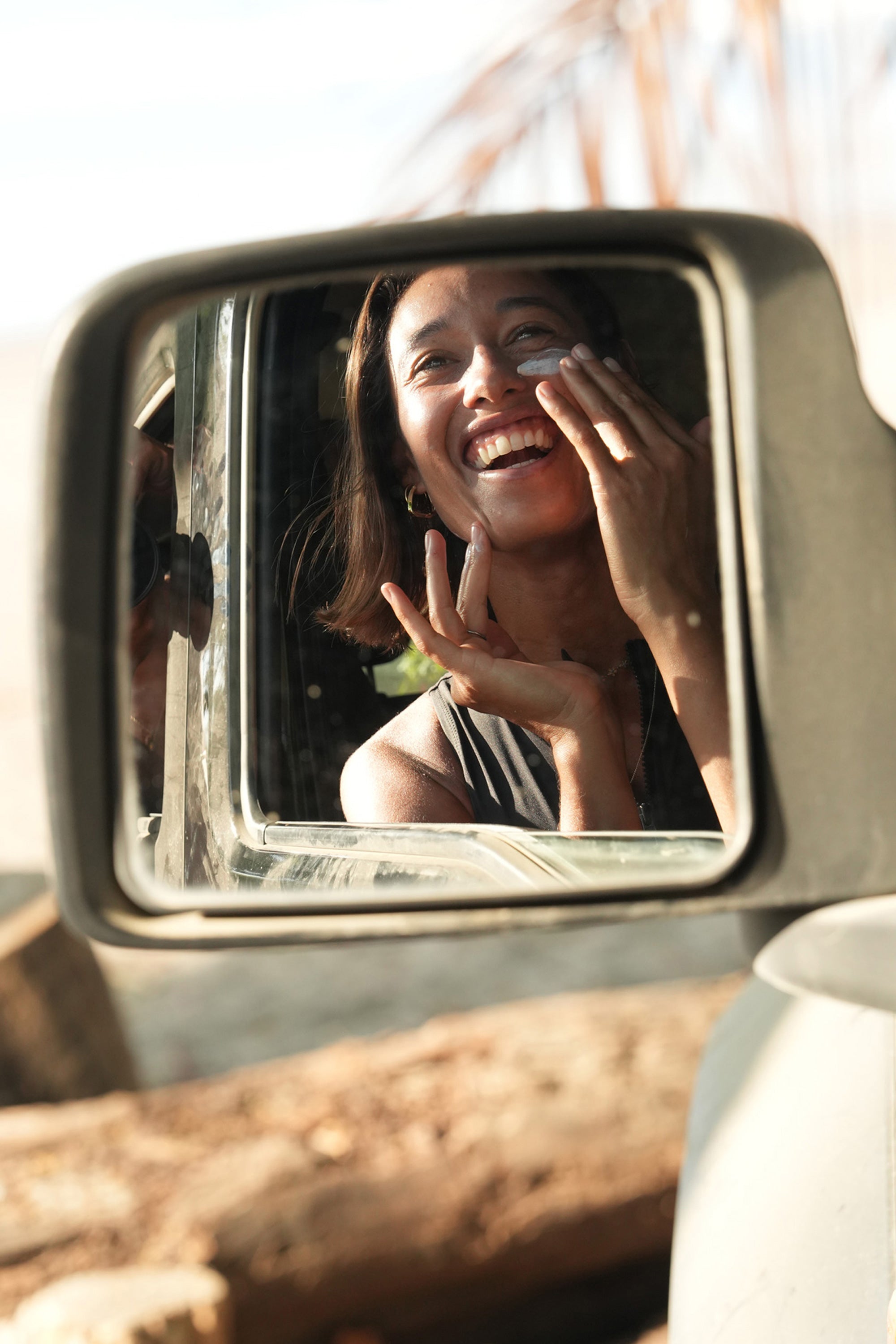
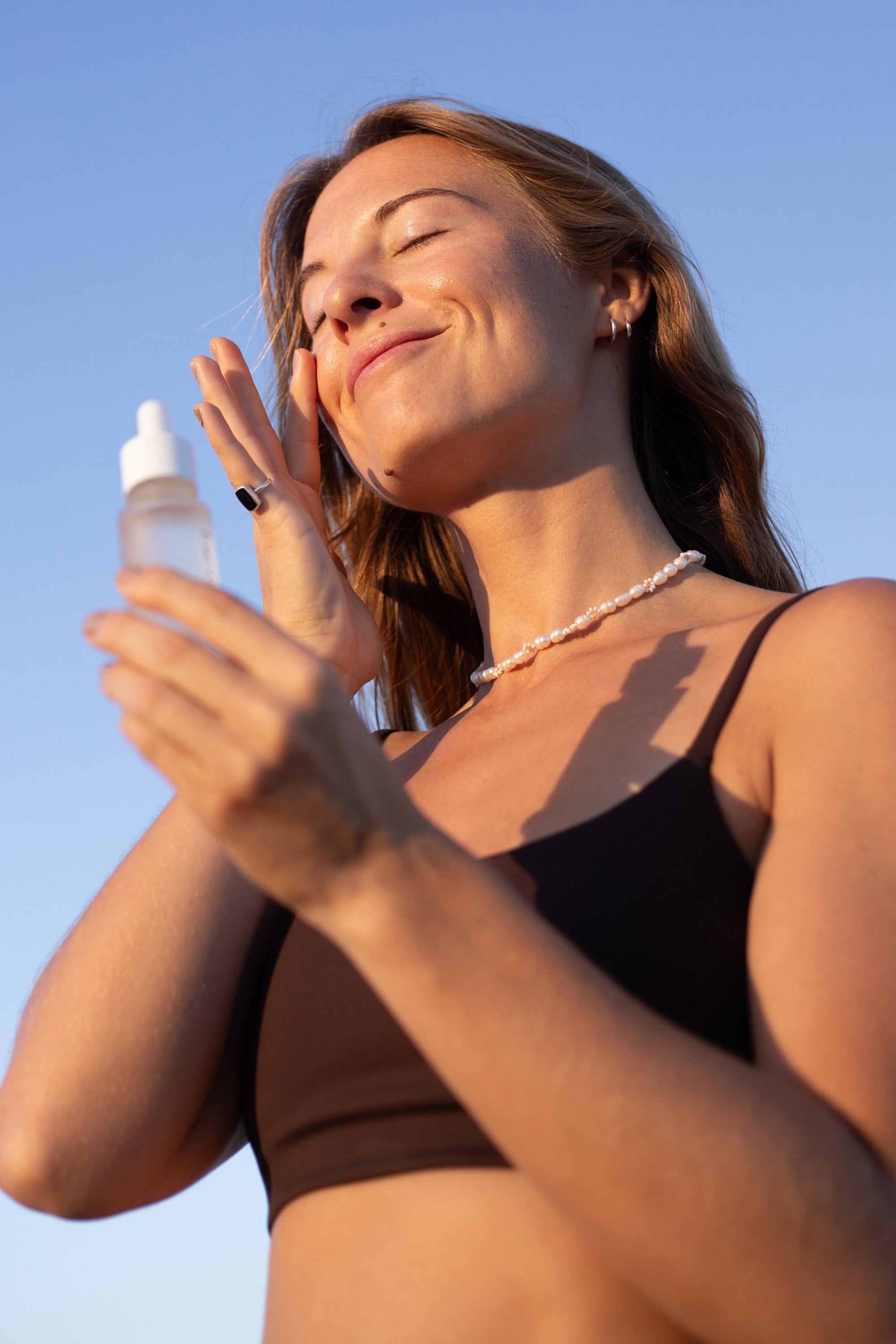
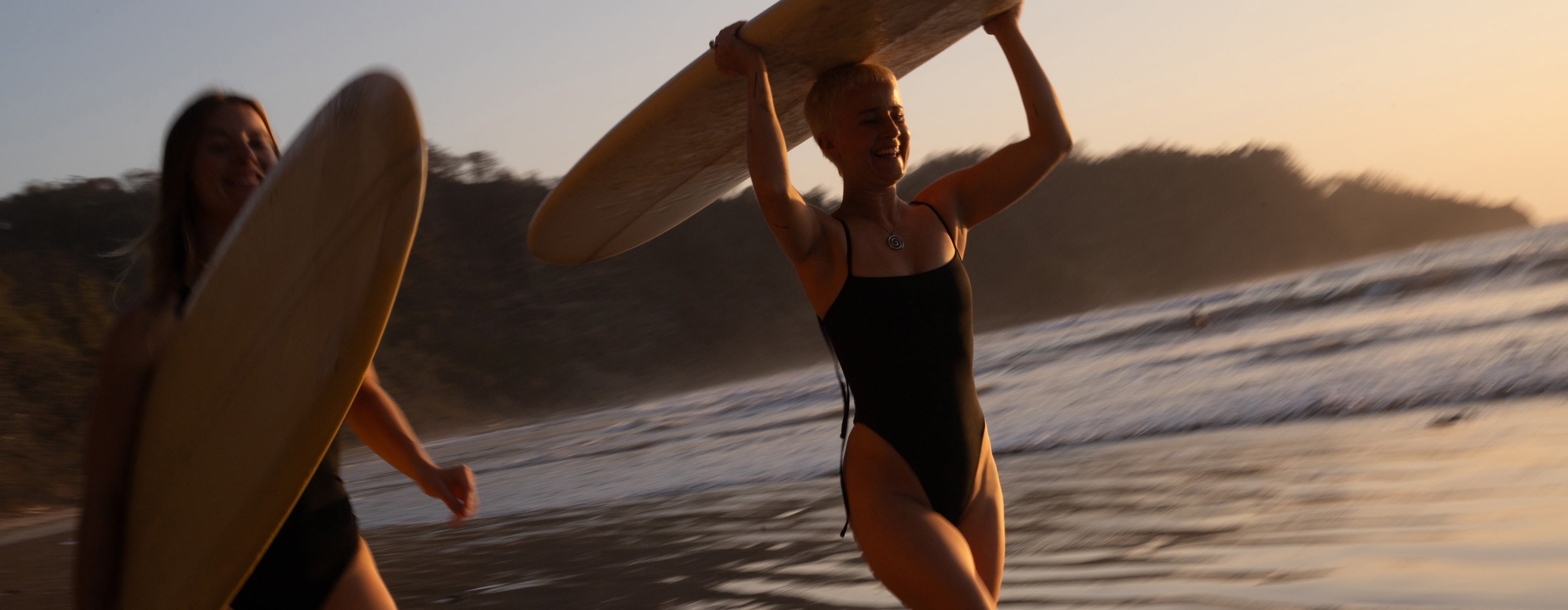
Use the sunscreen properly. Use one appropriate for the activity. Going surfing? A daily moisturizer with SPF is not going to cut it. Make sure to apply enough and reapply when needed. All sunscreens carry the same mandate language about reapplication and its good advice.
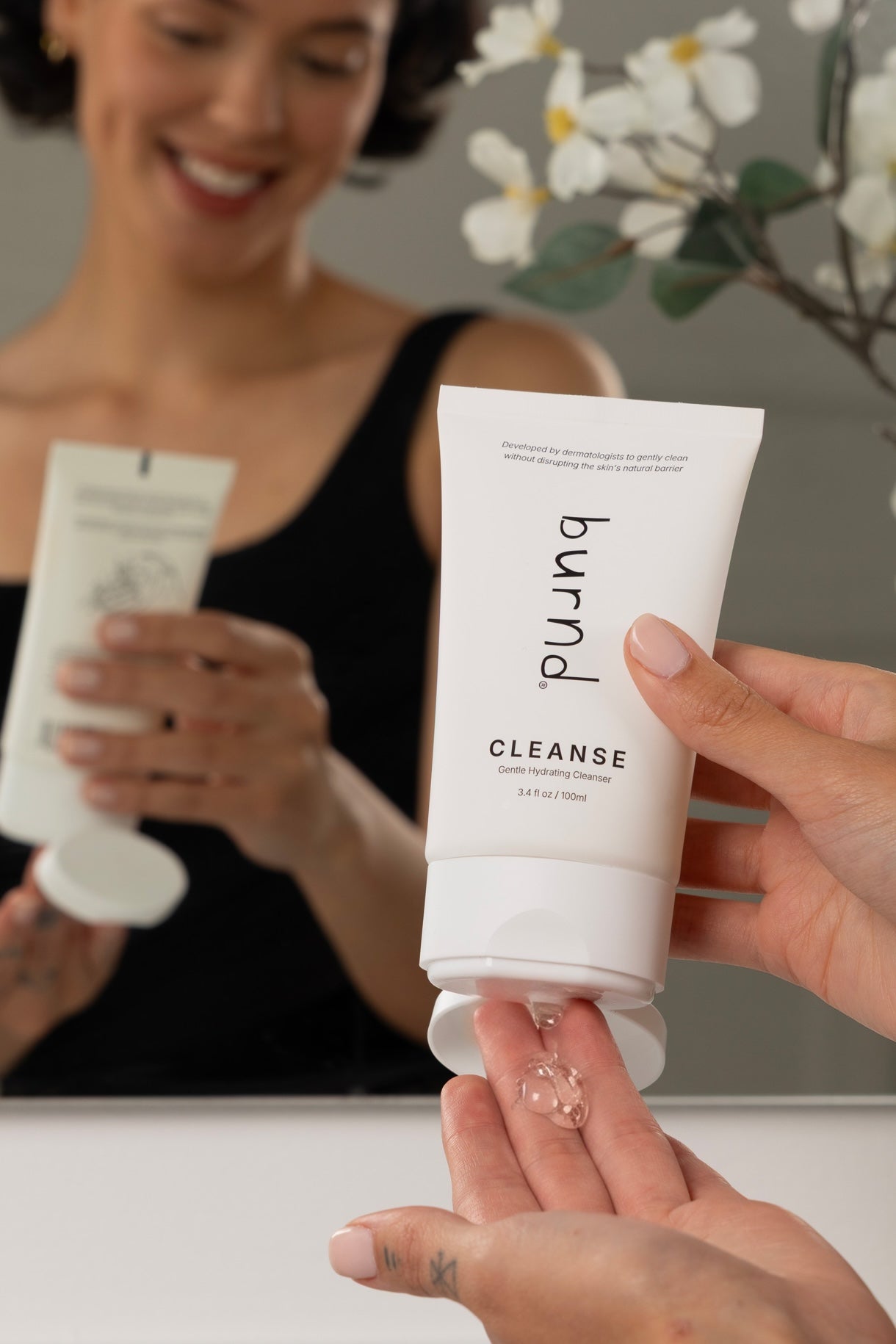
At burnd, we make our products to work as hard as you do. Our water-resistant formulas have been thoroughly tested and are designed to stay on you whether you’re surfing, golfing, walking the dog or just yapping in the yard.
Read more

While SPF isn't rocket science, it is geometry. Most people apply only 25-50% of the required amount of sunscreen, leaving them with a fraction of the advertised SPF. The most important thing to us...

See the original article with my (Dr. Mark Mitchnick) thoughts included here on the Atlanta Journal-ConstitutionPeople in blue zones (like Sardinia or Okinawa) spend a lot of time outdoors as part ...
Want to learn more from us?
By signing up, you agree with our privacy policy.